Chinese New Year 2027: Dates, the Fire Goat, Holidays and Where to Celebrate
Chinese New Year 2027 begins on February 6, marking the Year of the Fire Goat. Explore public holidays, zodiac traditions, Lantern Festival dates and celebrations around the world.
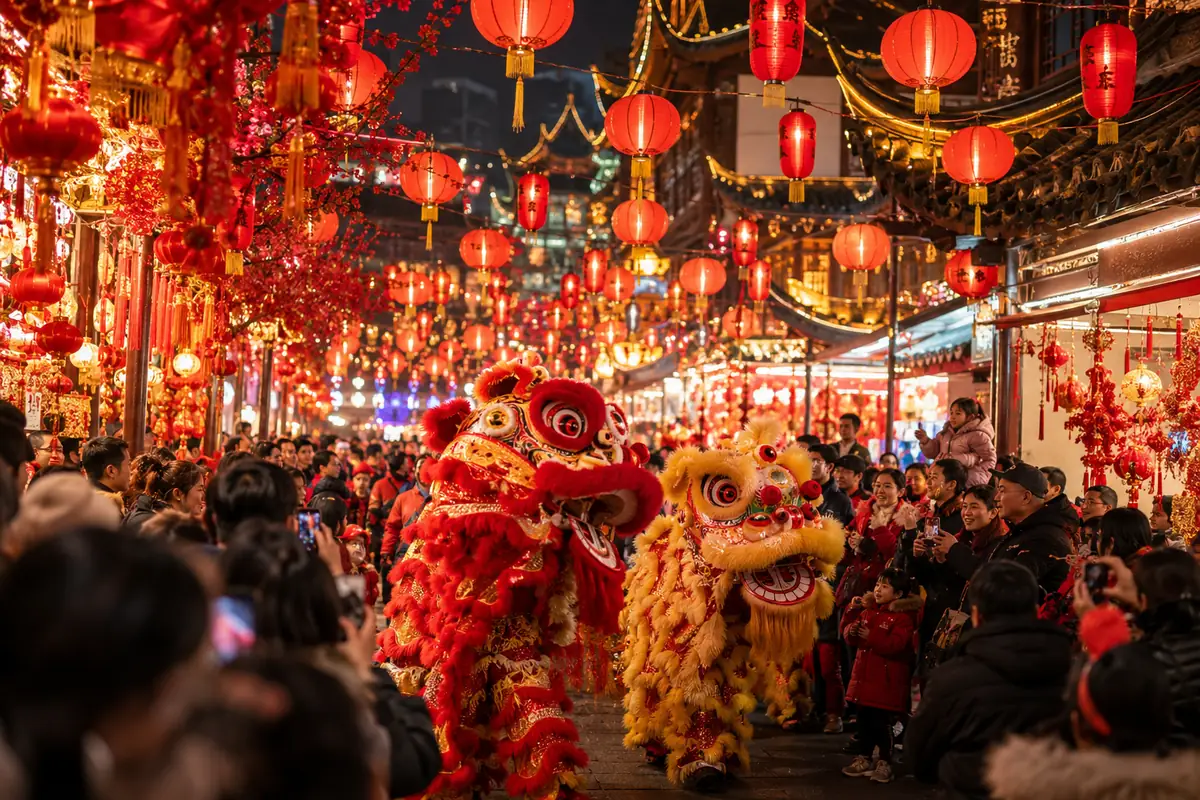
Chinese New Year lands on Saturday February 6, 2027 and it kicks off the Year of the Fire Goat. Expect reunion dinners homes dressed in red and gold and celebrations in communities across Asia and around the world.
You’ll also see it called Lunar New Year or Spring Festival. The date shifts every year because the holiday follows a different calendar from the one most of us plan our lives around. If you’re trying to work out when shops will shut or when the big events happen, that can get confusing fast.
The key thing to get straight is this: the festival date and the official public holidays are not the same. The festival starts February 6 but the days off differ between mainland China, Hong Kong, Singapore and other places.
So here’s the rundown covering the zodiac meaning, holiday schedules, traditions and some travel planning.
“When is Chinese New Year “2027”?
Chinese New Year falls on Saturday “February 6, 2027”. New Year's Eve is Friday, February 5.
Traditionally the celebration runs 15 days and ends with the Lantern Festival which falls on Saturday February 20. Plenty of families start well before the big day though cleaning the house buying gifts and sorting out travel.
Key detail | 2027 |
Chinese New Year’s Day | Saturday, February 6 |
Chinese New Year’s Eve | Friday, February 5 |
Lantern Festival | Saturday, February 20 |
Zodiac animal | Goat (also called Sheep or Ram) |
Element | Fire |
Traditional name | Spring Festival |
Main customs | Family reunions, red envelopes, festive meals and decorations |
The date moves because the holiday follows a traditional lunisolar calendar is not the Gregorian one. That’s why it never sits on a fixed day the way January 1 does. It usually turns up somewhere between late January and February and in 2027 it’s February 6. If you’re planning a trip check the current year’s date rather than leaning on last year’s.
What animal is 2027?
It’s the Year of the Fire Goat which you’ll sometimes see written as the Year of the Sheep or Ram.
The Chinese zodiac runs on a twelve year cycle with one animal for each year. When you layer in the five traditional elements of wood and fire and earth and metal and water you get a full sixty year cycle of unique animal and element pairings. The Smithsonian Institution identifies 2027 as the Year of the Fire Goat and associates the Goat with qualities such as kindness, peace and inner strength.
A quick caveat: these are cultural traditions not science. Nobody’s personality or future gets decided by their birth year.
What is the actual meaning behind the Fire Goat?
Traditionally the Goat is tied to gentleness, creativity and harmony. Fire brings in energy and expression. Put them together and you get a sign that’s sometimes read as warm, imaginative and determined. Interpretations vary from community to community and family to family so treat any single reading as one take among many.
As a visitor you’ll mostly notice the zodiac in seasonal decorations, greeting cards, souvenirs and public displays.
Public holidays: who gets which days off
Countries don’t share a holiday calendar and Chinese New Year is a good example. Hong Kong and Singapore have both published their 2027 schedules so those are confirmed.
Location | Confirmed public holiday info |
Hong Kong | February 6, 8 and 9 |
Singapore | February 6 and 7, plus February 8 observed as a public holiday |
Mainland China | Festival begins February 6; check the official government notice for full leave arrangements |
Hong Kong. According to the Hong Kong Government's official 2027 public holiday calendar Lunar New Year's Day falls on Saturday February 6. Since the second day falls on a Sunday, Tuesday and February 9 is designated as a substitute holiday. The confirmed public holidays are February 6, 8 and 9. Even so check individual museums, attractions, shops and transport services as opening hours may change during the holiday period.
Singapore. The Ministry of Manpower's official 2027 holiday calendar confirms Chinese New Year on February 6 and 7. Because February 7 falls on a Sunday, Monday and February 8 is also a public holiday. Decorations, markets and seasonal activities may begin earlier so check each event's official announcement for exact dates and locations.
Mainland China. Chinese New Year here is part of the wider Spring Festival holiday period. The festival itself starts February 6 but extended leave weekend swaps and make up working days all come from the official government holiday notice. Don’t assume the Hong Kong or Singapore schedule applies on the mainland. It doesn’t.
How people celebrate
It’s a family occasion and a public party at the same time. Customs vary by region but a few show up almost everywhere.
The reunion dinner. For a lot of families the evening before New Year’s Day is the most important meal of the year. Relatives travel long distances just to be together at the table. The food also carries deep meaning with traditional items like dumplings and fish. Meanwhile rice cakes and other local dishes can stand for prosperity or good fortune and family unity. What actually lands on the table simply depends on the family and their regional cuisine.
Red envelopes. Known as hongbao in Mandarin these hold money and come with good wishes and blessings. Who gives them who gets them and how much goes inside all depend on family custom so don’t assume every household does it the same way.
Red and gold everywhere. Red represents the classic color of good fortune and celebration while gold usually joins the mix as a true symbol of prosperity. This means homes along with shopping areas and public spaces completely fill up with brightly colored lanterns and banners and festive artwork. This year expect some goat and sheep imagery in the mix.
Lion and dragon dances. These are a staple of public celebrations from neighborhood events to shopping districts. They’re two separate traditions. During the celebrations lion dances feature performers operating a single costume. On the other hand dragon dances require a whole team to move a much longer dragon figure. Traditional instruments like drums and cymbals along with other items keep the beat to make sure the performers stay in sync.
Fireworks and firecrackers. They’ve been part of the festival for a very long time. But the rules differ a lot by location. Some places restrict or ban public use others put on organized displays. Follow local safety rules and don’t assume anything goes.
Choosing the best places to celebrate
our final choice really depends on what you want out of your trip whether you want deep family traditions or massive public events and cultural performances or if you just prefer a relaxing city break.
Hong Kong mixes traditional customs with busy shopping districts, temples and public celebrations. You might run into seasonal flower markets, elaborate decorations and special activities around the holiday. The food and environmental hygiene department has already announced that its 2027 Chinese new year fairs run from January 31 to the early morning of february 6 with victoria park in causeway bay among the locations. Parade, fireworks and performance schedules are separate so check with the official organizers before building plans around them.
Singapore is another popular pick. Chinatown is the hub for festive decorations, markets and cultural activities and you can pair all of that with the city’s food and shopping. Exact programmes, street closures and performance times should be confirmed with the organizers.
Beijing feels different with traditions tied to temples family gatherings and Chinese cultural heritage. If historic sites and traditional architecture are your thing the festive period can be a great time to go. Just know that popular attractions get busy and hours can change. Confirmed ticketing and access arrangements are far more useful than last year’s event schedule.
Shanghai blends traditional neighborhoods, shopping districts and modern attractions and the seasonal decorations give it a different feel from the rest of the year. Some businesses adjust their hours or close for part of the holiday so confirm restaurants, museums and attractions directly.
Chinatowns abroad. The celebration isn’t limited to Asia. Chinese communities in cities like London, San Francisco, Sydney and Vancouver organize cultural activities in many years including performances, food events and community gatherings. Programmes for “2027” depend on local organizers so check each one individually.
Chinese New Year vs. Lunar New Year
They’re closely related but not always interchangeable. Chinese new year is the traditional new year celebrated by the chinese calendar. Lunar new year is a broader label covering new year celebrations in several asian cultures. Vietnam celebrates Tết and Korea celebrates seollal. They often fall around the same time but each has its own customs foods and cultural meanings. And not every culture that uses a lunar or lunisolar calendar celebrates on the same date. When you’re writing or reporting on it using the name the relevant community prefers is usually the safest bet.
Travel tips
Traveling during chinese new year can be wonderful but it rewards a bit of prep. Huge numbers of people travel to see relatives so transport and accommodation can see heavy demand. That doesn’t mean every city or service will be equally packed so plan around your specific destination and dates.
Book transport early. Check flight and train times as early as you can. If you’re moving between cities leave a good gap between connections local transport often shifts around the holidays.
Check opening hours. Don’t assume museums, restaurants and shopping centers will keep normal hours. Some close for a while, others stay open longer for visitors. The official website for each attraction is the best place to confirm.
Be respectful. Customs vary between households and regions. Be thoughtful about photographing ceremonies stepping into places of worship or joining family centered activities. If you’re not sure whether photos or participation are welcome ask.
Expect crowds. Popular cultural districts and public events can draw big numbers. If you’d rather keep things calmer go outside the busiest celebration periods or pick quieter attractions. And follow local crowd management instructions at major events.
When is the Lantern Festival “2027”?
Saturday “February 20, 2027”. It’s the fifteenth day of the new year celebration and it’s known for lantern displays, family gatherings and regional foods including tangyuan the sweet glutinous rice balls eaten in some Chinese traditions. Some destinations put on public displays or cultural programmes but not every city does it on the same scale so confirm the “2027” details before you book anything.
Quick answers
When is Chinese New Year “2027”? Saturday “February 6, 2027”.
What zodiac animal is it? The Fire Goat also called the Sheep or Ram.
When is New Year’s Eve? Friday “February 5, 2027”.
When does the celebration end? With the Lantern Festival on “February 20, 2027”.
Is it a public holiday? In several countries and territories, yes but the number and dates of days off vary.
Chinese New Year or Lunar New Year? Chinese New Year is the celebration based on the Chinese calendar. Lunar New Year is the broader term for several cultural celebrations.
Where can tourists celebrate? Hong Kong, Singapore, Beijing and Shanghai are the big names and Chinese communities host celebrations in cities worldwide.
Wrapping up
Chinese new year “2027” starts on February 6 and opens the Year of the fire goat. For families, it’s a chance to come together and keep traditions going. For visitors, it’s a way to experience a culture through its food, decorations, performances and customs.
The biggest planning mistake is thinking the festival date and public holidays line up the same way everywhere. They don’t. Hong Kong and Singapore already have their calendars locked in but for event programmes and opening hours it’s better to check closer to February. Once you’ve got the dates and local traditions sorted the rest of the planning gets a lot simpler.
Reader Reaction
Was this article useful?
0 readers like this article.
Share This Article
Found this story useful? Share it with your network.
Comments
0 discussionsAdd your perspective, reply to other readers, and keep the conversation useful.
Conversation
Reader responses